My experiences as a Cognitive Behavioural Psychotherapist and Owner of Therapy Related Businesses in London
I’ve been working as a therapist in Richmond for many years now, primarily with people struggling with anxiety, depression, OCD, stress, and perfectionism. Like many clinicians, I came into the profession because I wanted to help people think differently, feel better, and live more freely. What I didn’t expect was how much of my professional life would end up revolving around systems — referrals, matching, spaces, and the practical realities that sit quietly behind good therapy.
Early on in my private practice, I noticed a recurring problem. People would reach out genuinely wanting help, but they weren’t always a good fit for my specific way of working, availability, or location. Turning someone away never felt right — especially when I knew excellent therapists were out there, often just a few streets or boroughs away, who would be perfect for them.

That frustration was the seed for Seek a Psych.
Running Seek a Psych gave me a front-row seat to the therapy landscape across London. I spoke to therapists from a wide range of modalities, levels of experience, and specialisms, and I helped match people not just to a therapist, but to the best therapists in London. Over time, patterns became clear. Good therapy isn’t just about qualifications — it’s about fit, environment, and feeling safe enough to open up.
Interestingly, one of the most common practical issues therapists raised had nothing to do with clients at all. It was about space.
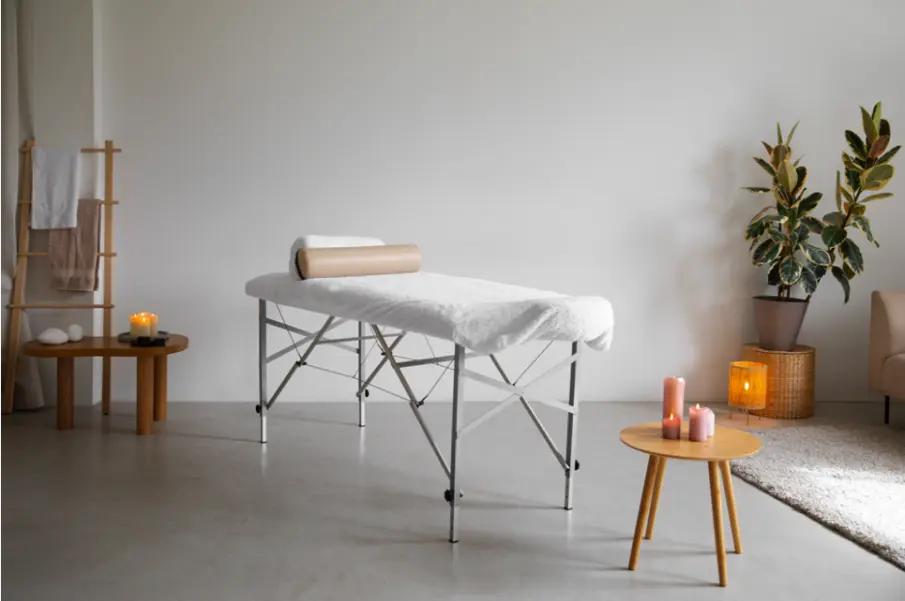
Many therapists were working part-time, building practices slowly, or deliberately keeping flexible schedules. Long leases, rigid contracts, and underused rooms simply didn’t make sense for them. At the same time, I kept noticing something else: salons, wellness centres, clinics, and office spaces with treatment rooms that were beautifully set up — yet empty for large parts of the week.
From a therapist’s perspective, this mismatch is obvious. From a business perspective, it’s a missed opportunity.

That’s where Rent a Therapy Room came from.
The idea wasn’t to create just another listing site, but to bridge two worlds that rarely speak directly to each other. On one side, therapists who need quiet, professional, flexible spaces. On the other, salons, massage therapists, clinics, and office owners who can advertise rooms to generate income without disrupting their core business.
My background in therapy heavily shaped how Rent a Therapy Room works. I understand what clinicians need: privacy, predictability, transparency, and trust. I also understand what space owners care about: reliability, minimal admin, and knowing their rooms are being used respectfully and professionally.
Running both platforms has been unexpectedly complementary. Seek a Psych taught me how to match people thoughtfully and ethically. Rent a Therapy Room applies that same mindset to physical spaces — matching the right professional to the right room, rather than forcing a one-size-fits-all solution.
At its core, all of this work comes from the same place: reducing friction. Whether it’s helping someone find a therapist they actually connect with, or helping a business make better use of space it already has, the goal is to make things simpler, fairer, and more human.
I still spend most of my working week in the therapy room in Richmond, sitting with people and doing the quiet, meaningful work that drew me to this profession in the first place. But building these platforms has allowed me to support the therapy ecosystem in a broader way — helping therapists, clients, and space owners all benefit from better connections.
Sometimes the most impactful work doesn’t happen in the room itself, but in the structures that make good work possible.
More to Read:








Previous Posts: